
What Does Feng Shui Interior Design Mean? A Guide for Your Pasadena Home
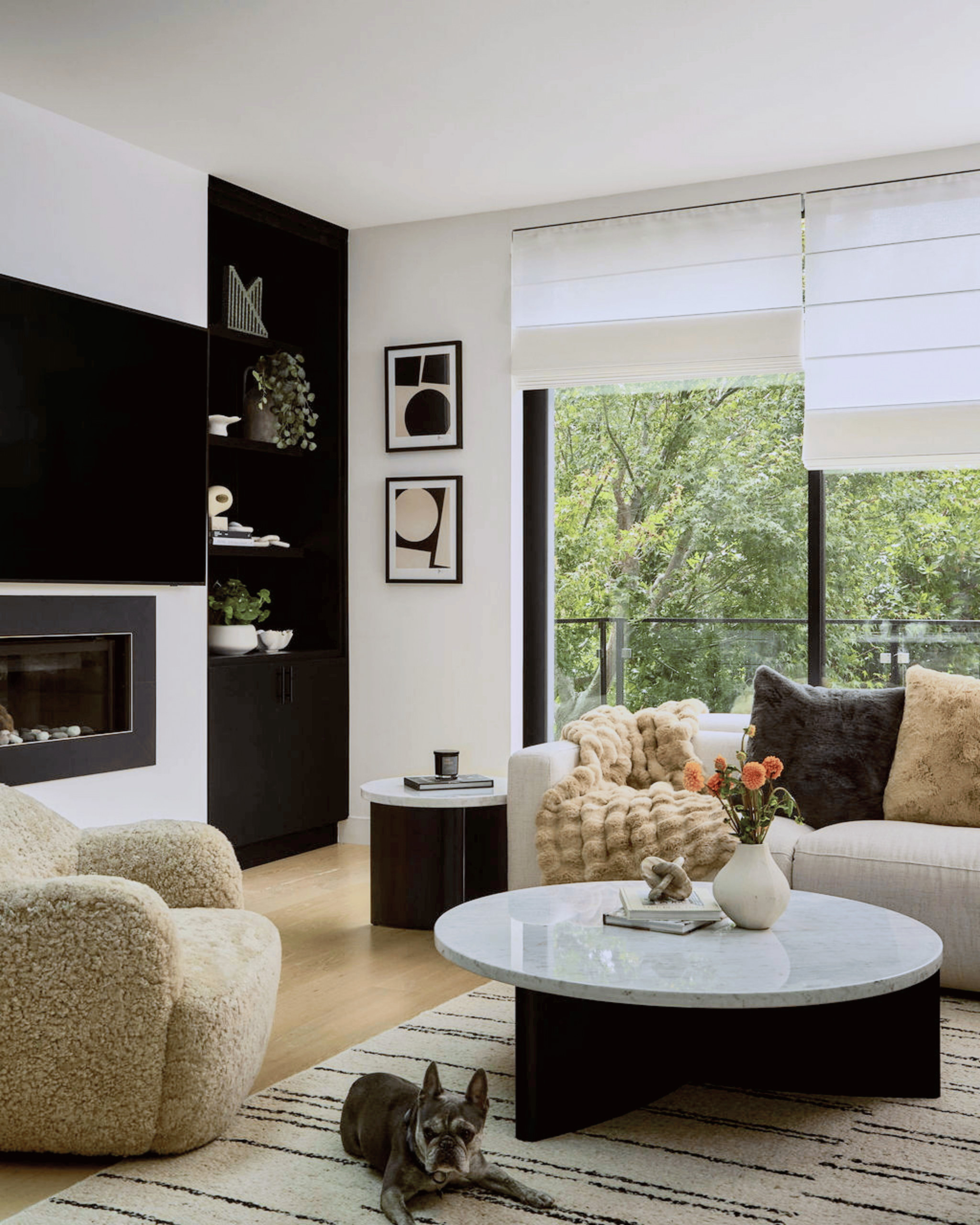
You may have heard that Feng Shui can bring good luck, wealth, or love, but its principles also influence how we arrange and experience our living spaces.
Feng Shui is an ancient Chinese practice that looks at how our surroundings affect the way we live. It considers the layout of a space, the placement of furniture, natural light, and the relationship between a home and nature.At its core, Feng Shui is about creating balance between people and the spaces we live in. A home should feel comfortable, work well, and support your daily life.
As an interior designer, Feng Shui has become an important part of how I think about spaces. I don't believe every design choice needs to follow a strict set of rules but I do believe that looking at a home through this lens can help us make better decisions.
Let's look at what Feng Shui means and how you can use it in your own home.
1. What Is Feng Shui in Interior Design?
Feng Shui began in China thousands of years ago. The practice looks at how buildings, land, nature, and people relate to one another.
The words Feng Shui translate to “wind” and “water.” Both are part of nature, and both remind us that our surroundings are always connected to the world around us.
In a home, Feng Shui can guide decisions about:
- Which orientation do windows and doors face
- How people move through a spaceHow much natural light enters a room
- Where furniture should go
- How the home connects with nature
For example, imagine walking into a home where the entrance feels crowded, the living room is dark, and furniture blocks the main walkway. The space may look nice, but it may not feel comfortable to use.
Feng Shui encourages us to look at the bigger picture. How does the space feel? Can you move through it easily? Does it support the way you live?
2. My Personal Connection to Feng Shui
You might expect that, as someone who grew up Chinese, I learned Feng Shui from a young age. But that wasn't my experience.I didn't know much about it when I started studying architecture. I had heard of Feng Shui, but I wasn't a believer. It wasn't something I thought about when looking at buildings or planning spaces.In my twenties, I became more curious about my own background and culture. My mom introduced me to a three-day Feng Shui class. We learned how different factors, including names, birthdays, and floor plans, could be considered in the practice.
The floor plan lessons caught my attention the most.I was already interested in how spaces are planned and how people use them. Feng Shui gave me another way to think about those questions. It connected ideas I was learning through architecture with a practice that had been around for thousands of years.
I continued learning about Feng Shui during my time at UCLA. Later, while working in the corporate design world, I noticed that it wasn't something people discussed very often.
I wanted to explore the connection between Feng Shui and modern design, so I wrote about it during my time at Gensler. I looked at how Feng Shui principles could connect with sustainability, energy efficiency, natural surroundings, and the well-being of people using a space.
That experience helped me see Feng Shui in a new way. It didn't have to be separate from modern design. In many cases, the two approaches could support each other.
3. Common Misconceptions About Feng Shui
There are a few common ideas about Feng Shui that can make people unsure about using it in their homes.
Feng Shui Is Only a Cultural Tradition
Feng Shui has deep roots in Chinese culture, but many of its design questions are easy to understand no matter where you come from.
Feng Shui offers a way to think about how our surroundings and our daily habits connect. You don't need to know every traditional rule to start paying attention to how your home works.
Feng Shui Will Bring You Wealth or Love
Some people associate Feng Shui with attracting money, finding a partner, or changing their luck.
Different schools of Feng Shui have different beliefs and practices. But I don't think you should expect a new furniture arrangement to solve every problem in your life.
Good design is not magic. A thoughtful layout can make your home more comfortable and easier to use. It cannot replace the work you need to do in other parts of your life.
Feng Shui Is Old-Fashioned
Some people picture an older Feng Shui master visiting a home and telling the owner where everything should go.
But Feng Shui can also be considered during a modern design project. You can apply its ideas while choosing a floor plan, planning windows, arranging furniture, or selecting materials.
For me, the most interesting part is how these ideas connect with the way we already think about architecture and interior design.
4. How an Interior Designer Can Use Feng Shui in Pasadena Homes
You don't have to redesign your entire home to start thinking about Feng Shui. Sometimes, small changes can help a room feel more comfortable.Here are three areas to consider.
Start With the Floor Plan
Before choosing paint colors or furniture, look at how your rooms are arranged.Can you move easily from one room to another? Does the entrance feel welcoming? Is there enough space to sit, work, cook, and relax?
These questions matter because the layout affects how you use your home every day.
A Feng Shui-informed approach to interior design starts by looking at the space as a whole. Rather than making choices one at a time, it considers how each room connects to the next.
Pay Attention to Natural Light
Light can change how a room feels.A room with good natural light may feel open and inviting. A dark room may feel less comfortable, especially if you spend a lot of time there.
Look at where the sun enters your home throughout the day. Consider how windows, curtains, furniture, and nearby buildings affect the light.
This is one area where Feng Shui and practical design thinking can work together. Understanding sunlight can help you make choices about room use, window treatments, and furniture placement.
Create a Better Connection With Nature
Nature can also play a role in how a home feels.You might bring in plants, use natural materials, or make better use of a view. If you have a garden or outdoor space, consider how you can connect it with the rooms inside.
These ideas don't require a complete renovation. Sometimes, a few thoughtful changes are enough to make a space feel more connected to its surroundings.
As a Feng Shui interior designer, Feng Shui principles can inform the design decisions I make, even when a client hasn't specifically asked for it. I look at the floor plan, light, flow, and how the space supports the people who live there.The aim is not to force a set of rules onto every home. It's to make thoughtful choices that suit the space and the people using it.
5. Is Feng Shui a Trend or a Timeless Design Choice?
Feng Shui has been practiced for thousands of years. I don't see it as a trend that will disappear when people's tastes change.
That doesn't mean every traditional rule needs to be applied to every home. Design practices change, and every project has different needs.
What interests me most is the focus on balance, the relationship between people and nature, and the way a space affects daily life. These are questions that remain important, even as materials, furniture, and styles change.
A home should not only look good in photographs. It should feel right when you wake up in the morning, prepare a meal, spend time with family, or relax at the end of the day.
That is why I see value in considering Feng Shui alongside other design principles. It gives us another way to ask whether a space truly works for the people who live there.
6. How to Start Using Feng Shui in Your Pasadena Home
If you're curious about Feng Shui, start with your own California home.
Walk through each room and pay attention to how it feels. Notice where you feel comfortable and where something seems out of place.
Ask yourself a few simple questions:
- Can I move through the space without obstacles?
- Does the room get enough natural light?
- Is the furniture arranged for the way I use the room?
- Does the space feel calm and comfortable?
- Can I make better use of the connection between indoors and outdoors?
You can also read books or learn from a qualified Feng Shui practitioner. There are different schools and approaches, so take time to understand which one fits your interests.
My mentor, RD Chin, explores this practice deeply in his book, Feng Shui Revealed. You can learn more about his approach on his website or view his recent work on Instagram.
Other readings and resources I recommend include:
- Simona Mainini, Dr Arch – A Feng Shui Master and my former UCLA teacher. Explore her work via her website or read her book, Feng Shui for Architecture & Interior Design.
- Cliff Tan – Discover his practical design tips in his book, Feng Shui Modern, or follow his video lessons on YouTube.
- Joey Yap – Watch insightful tutorials and guides on his YouTube channel.
If you're planning a renovation, consider working with an interior designer trained in Feng Shui. One who understands how to incorporate these principles into a modern home. An experienced professional can help you look at the floor plan and make decisions before construction begins.
Ready to Create a Home That Works for You?
Feng Shui offers a way to think about your home beyond colors and furniture. It encourages you to look at how the space feels, how you move through it, and how it supports your daily life.
You don't need to follow every rule or change everything at once. Start with the parts of your home that don't feel quite right, then consider what changes might help.
At Chanova Design, we believe thoughtful design starts with understanding the people who live in a space. Whether you're planning a full renovation or updating a few rooms, we’d love to help you create a home that reflects your needs and style.
If you're looking for a Feng Shui interior designer in Pasadena, book a free call with Chanova Design to talk about your home and your goals.